


Feb 22, 2023

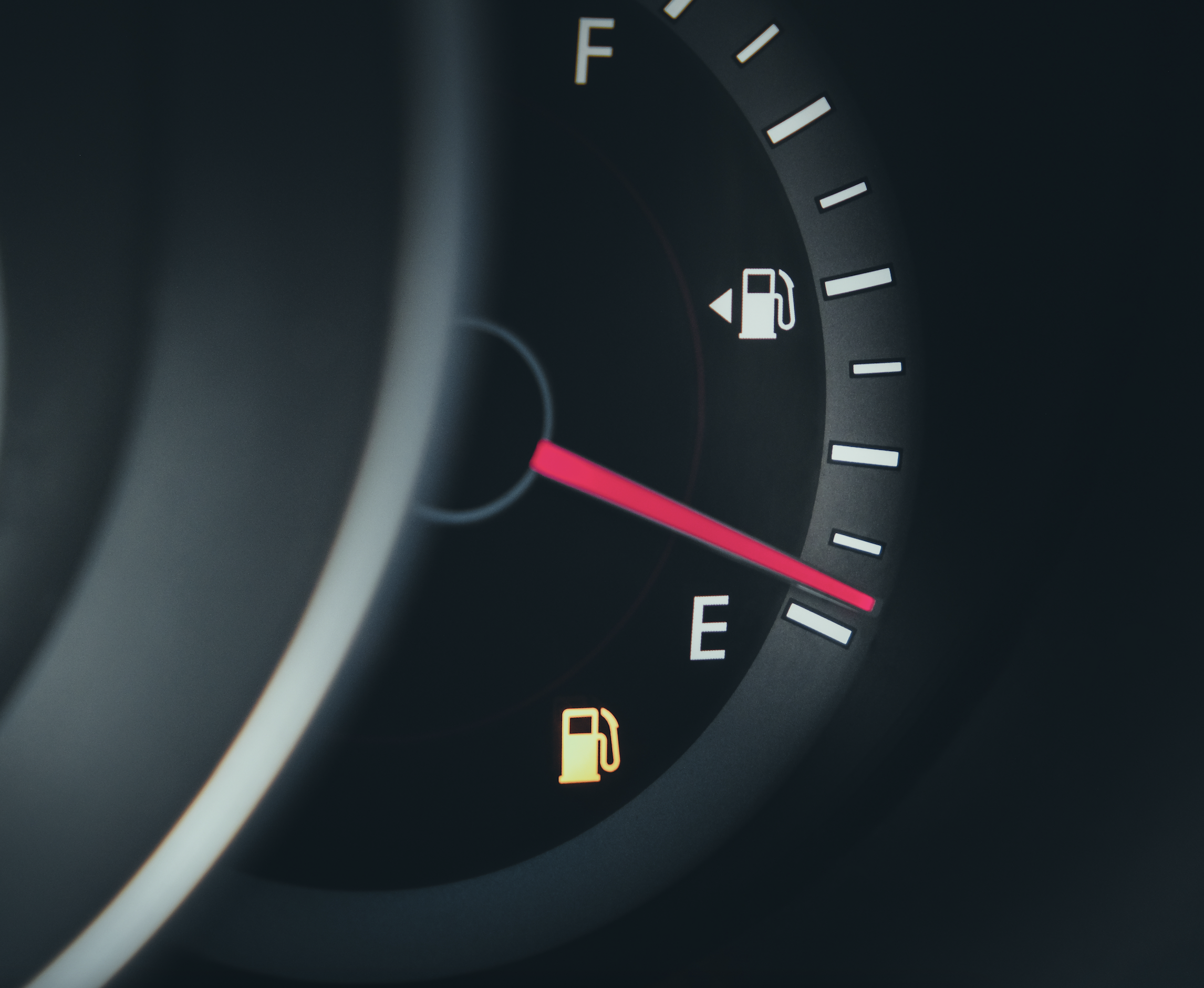
We get it, with inflation costs skyrocketing and everything seeming to be more expensive, it can be incredibly tempting to cut corners anywhere you can! But, this week’s blog will explain why letting your ride run on empty shouldn’t be one of them. Take a look at our list below and be sure to regularly put gas in your vehicle, even if it’s only a little bit. And, if you’re ready to upgrade to a more fuel-efficient ride, take a look at Simi Valley Toyota’s available inventory of models ready to go the extra mile!
 |
Why You Should Avoid Running On Empty:
Is it dangerous to drive with the low fuel warning light on?
|
How far can I drive on empty?
- Depending on your driving habits, current conditions, and your vehicle really results in how far you can drive once your empty fuel light illuminates. You may be surprised how few miles you can travel once your light is on and we recommend reading your owner’s manual for answers. And also, don’t push it. It’s better to fill up the tank when you only have a quarter of a tank left!
How trusty is your distance to empty?
- Most modern vehicles have a distance to empty gauge but this is a dangerous practice if you try to wait until the very last mile. The distance to empty is simply a mere estimate and not a definitive answer to how many miles you have left. So depending on current driving conditions, the actual mileage could vary.
Connect with us


Recent Blog Entries
- Fresh Monthly Lease Offers at Simi Valley Toyota
- Toyota’s 4WD Systems, Explained Without the Jargon
- Find Your Perfect Toyota with Simi Valley Toyota’s Monthly Lease Offers
- The 2026 Tacoma Is Still Built for People Who Actually Use Their Truck
- Simi Valley Toyota Monthly Offers: Drive a New Toyota for Less