


Are Toyota Electric Vehicles Worth It in Simi Valley? Real Costs, Real Range, Real Reasons to Switch
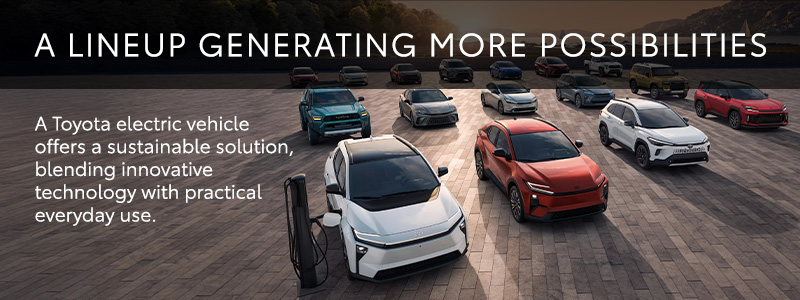
If you live in Simi Valley and you’re even thinking about going electric, you might be asking: Is a Toyota electric vehicle actually worth it for my commute, my budget, and my life in Ventura County? Toyota’s electric lineup is designed to answer that question with numbers, not hype. Between lower operating costs, strong driving range, growing charging access across California, and Toyota’s reputation for long-term reliability, going electric has become less about experimentation and more about smart ownership.
Toyota doesn’t just offer one version of electric. At Simi Valley Toyota, 2380 First St in Simi Valley, you’ll find multiple electrified options: Hybrid EV, Plug-In Hybrid EV, Battery Electric Vehicle (bZ), and Fuel Cell EV (hydrogen-powered). Each one works differently. Each one fits a different kind of driver. Here’s how to figure out which actually makes sense for your life.
What Is the Difference Between a Toyota Hybrid and a Plug-In Hybrid?
A Toyota Hybrid EV, like the RAV4 Hybrid, Sienna Hybrid, or Toyota Crown Hybrid, combines a gas engine with electric motor power. It never needs to be plugged in. Instead, it recharges itself automatically using regenerative braking, capturing kinetic energy when you slow down. For drivers in Simi Valley who want better MPG without changing habits, this is the easiest transition. You refuel normally, drive normally, and just get better efficiency.
A Plug-In Hybrid EV, like the Prius Plug-In Hybrid or RAV4 Plug-In Hybrid, has a larger battery. That means you can drive farther on all-electric power alone before the gas engine activates. Once the battery charge runs low, it continues operating like a regular hybrid. If you have access to home charging and want to handle most short trips on electricity while keeping gas as backup for longer drives to Los Angeles or Santa Barbara, plug-in hybrid gives you that flexibility.
Is a Toyota Hybrid Worth It If I Don’t Want to Plug In?
Yes. Toyota Hybrid EVs are designed for drivers who want improved fuel economy without installing charging equipment or changing routines. Because they regenerate energy while braking, they recharge themselves automatically. You never think about charging. You simply enjoy better MPG and smoother acceleration. For commuters traveling daily between Simi Valley, Thousand Oaks, and surrounding Ventura County areas, hybrids often provide the most seamless upgrade from a gas-only vehicle.
How Does the Toyota bZ Battery Electric Vehicle Compare to Hybrid Models?
The Toyota bZ is a full Battery Electric Vehicle. That means it runs entirely on electricity. There is no gas engine. It delivers smooth, near-instant torque and a quiet driving experience. It recharges through home charging or public charging stations. Unlike hybrids, it relies on plug-in charging for the majority of its energy. If you’re ready to go fully electric and have reliable charging access, the bZ represents Toyota’s pure EV experience.
What Is a Toyota Fuel Cell Electric Vehicle and Is It Available in California?
Fuel Cell Electric Vehicles use hydrogen and oxygen to create electricity through a chemical reaction. The only tailpipe emission is water. Instead of plugging in, you refuel at hydrogen stations using a pump-and-nozzle system. Hydrogen infrastructure is growing but still limited compared to electric charging stations. For drivers near established hydrogen networks in California, Fuel Cell EVs can be an innovative alternative. Availability depends on regional infrastructure.
Which Toyota Electric Model Saves the Most Fuel in Ventura County?
Hybrid EVs reduce gasoline use dramatically compared to traditional gas vehicles. Plug-In Hybrid EVs can reduce gasoline usage even further if most daily trips are within electric range. The Battery EV bZ eliminates gasoline entirely. Instead, you pay for electricity, which typically costs less per mile than gasoline in California, especially when charging during off-peak hours. The best choice depends on how far you drive daily and whether home charging is convenient.
Do Toyota Hybrid EVs Perform Better Than Gas Models?
In many cases, yes. Toyota Hybrid EVs use electric motors to deliver instant torque at low speeds, which can create quicker launches and smoother acceleration compared to gas-only versions. You get the benefit of electric responsiveness combined with the reliability of a gas engine when needed. It’s efficiency without sacrificing drivability.
Is It Hard to Switch to a Toyota Electric Vehicle?
Switching is easier than most people expect. Hybrid EVs require no change in fueling habits. Plug-In Hybrids allow gradual transition because you still have gas backup. Battery EVs require charging planning but offer the most fuel savings long-term. The key is matching the right electrified Toyota to your daily routine.
At Simi Valley Toyota, our team can help you compare Hybrid, Plug-In Hybrid, and Battery EV options side-by-side, explain charging setups, review incentives, and schedule a test drive. Electric driving doesn’t have to feel complicated. It can feel practical, cost-effective, and surprisingly familiar. If you’re ready to see which Toyota electric vehicle fits your life in Simi Valley, visit us at 2380 First St and explore the lineup in person.
Connect with us


Recent Blog Entries
- April 2026 Toyota Lease Offers at Simi Valley Toyota
- Are Toyota Electric Vehicles Worth It in Simi Valley? Real Costs, Real Range, Real Reasons to Switch
- Fresh Monthly Lease Offers at Simi Valley Toyota
- Toyota’s 4WD Systems, Explained Without the Jargon
- Find Your Perfect Toyota with Simi Valley Toyota’s Monthly Lease Offers