

Blog / Simi Valley Toyota Service

Fall Cleaning Tips For Your Toyota | Simi Valley, CA

Is your Toyota in need of some well-deserved TLC? We get it, we’re not judging! We know you’ve been in summer mode, and now that summer is over, finding time to clean out your Toyota is harder than you thought! Lucky for you, Simi Valley Toyota is here to help you get your fall maintenance in order with some tips and tricks! So don’t wait any longer, take a peek below and get started check off your to-do list! Not much of a DIY-er? No problem, leave it to the pros here at Simi Valley Toyota! Schedule your service appointment online now, and skip the line later!Car Battery: 
  • Pop open your hood and brush away the dust. Fall is a great time to inspect your car battery to ensure there are no issues down the road when the colder weather creeps in! 
  • Make sure your engine cables and terminals are in good shape and retighten if necessary for good contact. 
  • Make sure there’s no corrosion or dirt build-up. If this is the case, this would be a good time to disconnect and clean them up.
  • If your vehicle is newer and you have a maintenance-free battery with no removable caps, there’s not much for you to do besides peeking around the remainder of your hood to ensure there are no leaks, breaks, or issues.
Headlights: 
  • Many new vehicles have LED headlights that you can’t just pop out and clean, so you might need scheduled maintenance with our team if this is your situation. 
  • If you still have non-LED lighting, it’s important to clean/replace your headlights to avoid haziness. 
  • Clouded headlights can be a safety hazard, compromising night vision, and reducing the effectiveness of your headlights. This is especially dangerous in winter, where conditions are less than favorable and the darkness is more consistent.
  • You can purchase a headlight cleaning kit, or use household items such as a toothbrush, baking soda, and the owner’s manual approved products. 
Tires:
  • Tire maintenance is always a must, not just during the winter months. However, your tires play a crucial role in your vehicle’s winter performance. 
  • The first thing you should do is to check your tire tread. When your tread is 2/32" your tires are considered bald and you will need to replace your tires immediately. If your tire tread is above this you’re okay, but should consider replacing soon if it’s closer to balding. 
  • Most vehicles are purchased with all-season tires, which provide good performance all year round. However, if you live in a very snowy area, we highly suggest purchasing snow tires. 
  • Once your tires are on and in good condition, we suggest scrubbing away any dirt, grime, or buildup. 
Wash & Wax: 
  • Chances are your vehicle needs good washing after all your summer travel. Between dirt, dead bugs, and even beach sand, your exterior probably isn’t shining like it used to.
  • Give your vehicle a good cleaning, this means the top, sides, underneath, and even the tires. 
  • Once you’ve washed your car, it’s a good idea to wax your vehicle’s exterior. Getting a car wax is a great way to keep your car’s finish looking new. 
  • Waxing can be tricky, so be sure to check your owner’s manual for safe products from your vehicle or leave it to the pros in our service department!
Wipers: 
  • Windshield wipers maintenance is regularly overlooked. However, your wipers are extremely important for your vision behind the wheel...especially in the fall and winter months. 
  • Leaves will be falling very soon, and rain is no stranger to the fall months. This means you’ll need strong wipers to clear the leaves and rain off your windshield. 
  • Right after the leaves comes the snow, and anyone who has driven in a snowstorm knows how important your winters are. 
  •  If your wipers are leaving streaks of water on your windshield, it’s time to replace or clean them.
  • Although drivers rarely change them, wipers break down pretty quickly. In fact, they should be changed every 6-12 months.
Interior:
  • It’s time to say goodbye to the trash that’s taken up a vacancy in your car! After traveling all summer long, it’s only normal your interior needs a little pick me up. 
  • We suggest grabbing a garbage bag, your vacuum cleaner, and some multi-surface cleaner. 
  • First started by taking everything out, and we mean everything! 
  • Then, vacuum away crumbs, dust, and whatever else is in there. Don’t forget to clean off whatever item you’ll be putting back in your vehicle. 
  • Then it’s time to dust, spray down your dash, console, gear shift, radio system, and of course windows! 
  • Finally, put whatever you’re keeping back inside your cabin in a neat and orderly way, and toss whatever is remaining!

Posted in:

Related Posts

Toyota Warning Lights

Decoding Dashboard Lights: Toyota Warning Lights Made Easy

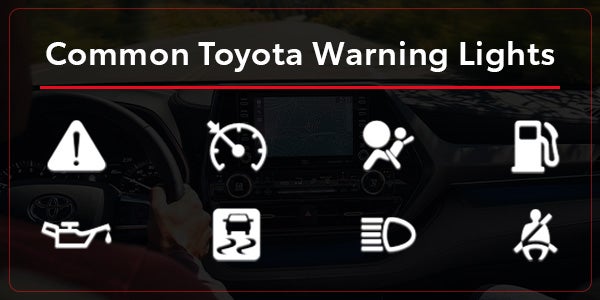
Your Toyota is built with advanced technology to keep you safe and informed, but let’s face it—when a dashboard light pops on unexpectedly, it can be a little nerve-wracking. The good news? Simi Valley Toyota is here to help you decode those mystery symbols with ease. Understanding your Toyota warning lights doesn’t need to be complicated. With a little knowledge, you can stay ahead of potential issues and keep your vehicle running smoothly. Whether you're cruising through Simi Valley, heading out on a road trip up the coast, or commuting through SoCal traffic, your dashboard acts like a second set of eyes—alerting you to important vehicle functions and potential concerns before they become major problems. Common Toyota Dashboard Lights: What You Need to Know Let’s break down some of the most common warning lights found in Toyota vehicles so you can drive with confidence: Master Warning Light This light looks like a triangle with an exclamation point—and it’s your car’s way of saying, “Hey, pay attention!” When it flashes and a buzzer sounds, it means the master warning system has detected a general issue. Check your Multi-Information Display for more details, and don’t ignore it—this one needs attention. Low Fuel Level Warning Light An obvious but important one—this light reminds you it’s time to refuel before your next adventure. It’s a friendly nudge to stop at your favorite local station in Simi Valley and top off the tank. Charging System Warning Light If this battery-shaped icon appears, it could signal a problem with your vehicle’s charging system, such as the alternator. You’ll want to get this checked right away to avoid a sudden breakdown. Low Engine Oil Pressure Warning Light This little oil can icon means that your engine oil pressure is too low —and driving further without resolving it could seriously damage your engine. Pull over safely, check your oil level, and contact us if the light stays on. ABS Warning Light If your Anti-lock Braking System (ABS) isn’t functioning correctly, this warning light will alert you. While your brakes will still work, ABS may not engage in an emergency stop—so it’s best to have our certified technicians take a look. More Than Just Warnings—They’re Built-In Safety Nets Toyota vehicles are equipped with a variety of indicator lights designed to keep you in the loop without overwhelming you. Some lights, like the seatbelt reminder, are simple safety nudges, while others, like the VSC OFF indicator, give you more control over your vehicle’s handling in special situations. These lights aren’t just alerts—they’re tools to help you drive smarter. When In Doubt, Visit Simi Valley Toyota Whether a light just turned on or you’re looking to understand your vehicle better, our Toyota-trained service technicians are here to help. Located at 2380 First St, Simi Valley, CA 93065, we offer diagnostic services, maintenance, and repairs to keep your Toyota in top condition—dashboard lights and all. Schedule your service online today or stop by—we’ll help make warning lights less stressful and your drive more confident.

Toyota Maintenance Plans

Confidence for Every Mile: Toyota Maintenance Plans

Whether you're driving off the lot in a brand-new Toyota or maintaining a vehicle with many miles of memories, Simi Valley Toyota has a maintenance plan designed to keep your car running at its best. With options tailored to every stage of vehicle ownership, Toyota drivers can enjoy added peace of mind, exceptional value, and the convenience of prepaid service. ToyotaCare: Complimentary Coverage for New Vehicles Every new Toyota purchased or leased comes with ToyotaCare —a no-cost maintenance plan that covers normal factory scheduled service for 2 years or 25,000 miles, whichever comes first. This plan also includes 24-hour Roadside Assistance, giving drivers an added layer of security on the road. For Toyota Mirai owners, coverage is extended to 3 years or 35,000 miles, reflecting the unique needs of the hydrogen-powered vehicle. Extended Coverage with ToyotaCare Plus For those looking to protect their vehicle beyond the initial ToyotaCare period, ToyotaCare Plus offers extended coverage for up to 5 years or 75,000 miles from the date the vehicle was first put into service. It's an excellent option for drivers planning to hold on to their vehicle longer while still enjoying the benefits of prepaid maintenance and roadside support. ToyotaCare Plus Service Drive Already own a Toyota but didn’t opt into ToyotaCare Plus at purchase? No problem. ToyotaCare Plus Service Drive offers similar benefits, covering maintenance for up to 4 years or 45,000 miles for eligible vehicles. It’s a smart way to continue receiving professional Toyota service, even after the original complimentary coverage expires. Toyota Service Care: Unlimited Mileage, Renewed Peace of Mind For ultimate flexibility, Toyota Service Care provides a 2-year prepaid maintenance plan with unlimited mileage. This plan begins immediately upon purchase and can be renewed again and again, making it ideal for high-mileage drivers or anyone looking to lock in reliable service without limits. Coverage for All Toyota Models – Including Mirai & bZ4X Specialized maintenance plans are also available for models like the Mirai and bZ4X, which include additional features and longer service terms to match their unique engineering. Roadside Assistance for these vehicles is also enhanced, with 3 years of unlimited coverage for the bZ4X. Choosing the Right Plan Not sure which maintenance plan fits your needs? At Simi Valley Toyota, our service and finance teams are here to help you explore your options. Whether your Toyota is new or a trusted companion on the road, we’ll help you select the right coverage based on your vehicle’s age, mileage, and usage. Protect your investment and drive with confidence. Visit Simi Valley Toyota or contact our team today to explore your maintenance plan options or to add a ToyotaCare Plus or Toyota Service Care package to your vehicle.

BLOG_HEADER_5

WARNING! Here’s Why You Shouldn’t Top Off Your Tank! | Simi Valley, CA

Simi Valley Toyota knows how tempting it can be to get the most out of your visits to the pump! With gas prices on the rise, you’ll want to fill your tank past the brim before prices increase again. But, over-filling your tank past its stopping mechanism can be dangerous and damaging to your ride. Read our list of reasons why you shouldn’t top off your ride below and if you find that your vehicle has been having issues with your fuel line or any other associated system, schedule your service at Simi Valley Toyota today! Why You Shouldn’t Top Off Your Tank: Overfilling your tank could damage your vehicle. Your vapor collection system is designed to reduce harmful emissions and manage fuel vapor making it a pretty important part of your vehicle. So, when you overfill your tank it sends excessive fuel into the charcoal canister or carbon filter which is strictly designed to manage vapors only. When fuel gets into this system, it will affect your vehicle’s performance and could damage the engine. It could end up costing you in the long run. Gas stations are equipped with a vapor recovery system that will feed vapors and gas from the pump back into the station’s tank once your tank is full. This prevents vapors from escaping into the open air and means any excess gas pumped into the tank that you’ve already paid for could end up back in the gas station’s storage tanks. Overflowing gas vapors could be harmful to you, other pedestrians, and the environment. Topping off your gas tank might be a good idea but if any gas spills out of your tank and onto the ground it can cause harmful effects to both the environment and people. It causes an increased likelihood of dangerous fires!